
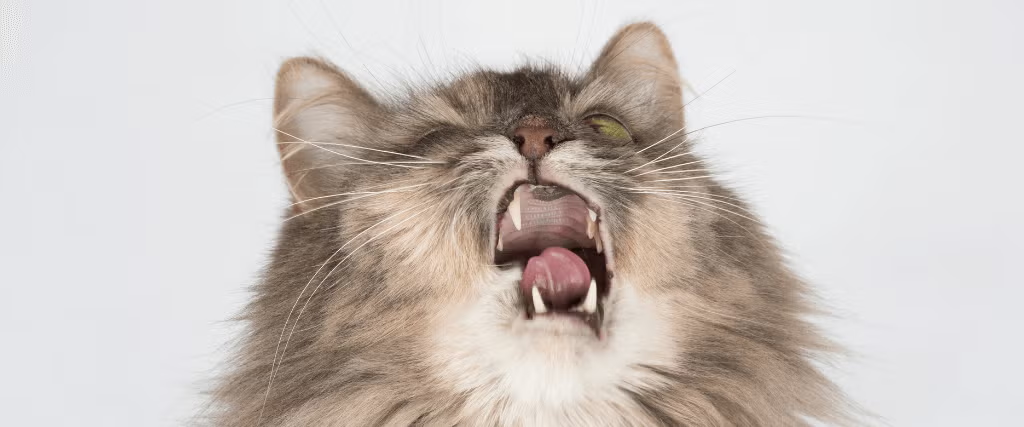
Cats sneeze a lot. 99% of the time, when your cat randomly sneezes, it’s because they got a bit of fluff up their nose, just like when you or I sneeze. It’s not a big deal. Unless, of course, the sneezing is repetitive, has a sudden onset, and is associated with other symptoms like nasal or eye discharge (either clear or colored).
Chronic Sneezing in Cats: Understanding Feline Herpesvirus
Cats can become infected with feline herpesvirus, a common viral infection that is specific to cats. Although it shares similarities with the herpes viruses that affect humans, it is a different virus and cannot be transmitted between cats and people.
Like human herpes viruses, feline herpesvirus remains in a cat's body for life after the infection. Many cats are exposed as kittens, sometimes even before birth, which means vaccination may not always prevent the initial infection. The virus can also spread through close contact with infected cats, particularly through respiratory droplets produced when an infected cat sneezes.
While the virus often remains dormant, it can reactivate during times of stress or illness, leading to recurring episodes of sneezing, eye discharge, and other upper respiratory symptoms.

The Secret Behind Recurring Feline Herpesvirus Symptoms
Once infected, feline herpesvirus doesn't leave, it simply goes into hiding! Your cat may appear perfectly healthy for months or even years before the virus reactivates, especially during times of stress or illness.
Stress, whether physical or emotional, can trigger a flare-up of feline herpesvirus. Changes in routine boarding, moving to a new home, introducing a new pet, or even having a house guest can be enough to reactivate the virus in some cats.
When a cat experiences stress, the immune system may become temporarily less effective at keeping the virus under control. As a result, the dormant virus can reactivate, leading to symptoms such as sneezing, nasal discharge, watery eyes, and congestion.
Does Your Sneezing Cat Need to See a Veterinarian?
Herpes in adult, fully immunized cats usually presents as a mild case of sneezing with runny nose and runny eyes. It’s no big deal, and in fact, if there is no colored eye discharge or colored nose boogers, and they’re eating and drinking and pooping and peeing, and your sneezing cat is otherwise and acting mostly normal, we don’t treat them at all.
If your cat has a weakened immune system or is experiencing physical or emotional stress, a feline herpesvirus flare-up can become more severe. Contact us if you notice any of the following:
- Clear eye discharge becomes thick, yellow or green, especially if accompanied by redness or squinting
- Clear nasal discharge becomes thick, yellow or green
- Nasal congestion causes a decreased appetite, as cats rely heavily on their sense of smell to eat
- Signs of pneumonia develop, including lethargy, fever, or apparent facial pain. Cats with facial discomfort may curl up with their head tucked into their paws and become less social then usual
- Signs of dehydration develop, such as decreased energy, dry gums, or reduced skin elasticity
These symptoms may indicate a secondary infection or other complication that requires veterinary attention.
In the meantime, there are a few things you can do to help your poor sneezing cat breathe better, while the immune system does its job:
- Clean your house thoroughly to minimize airborne irritants like dust or perfumes.
- Change to a low-dust cat litter – bigger granules don’t clump as well, but they give off less dust.
- Add moisture to the air, with a vaporizer, steam from a hot shower, or boiling kettle of water.
- Apply saline nose drops to help thin mucus in the nasal passages and relieve irritation that may cause sneezing.