
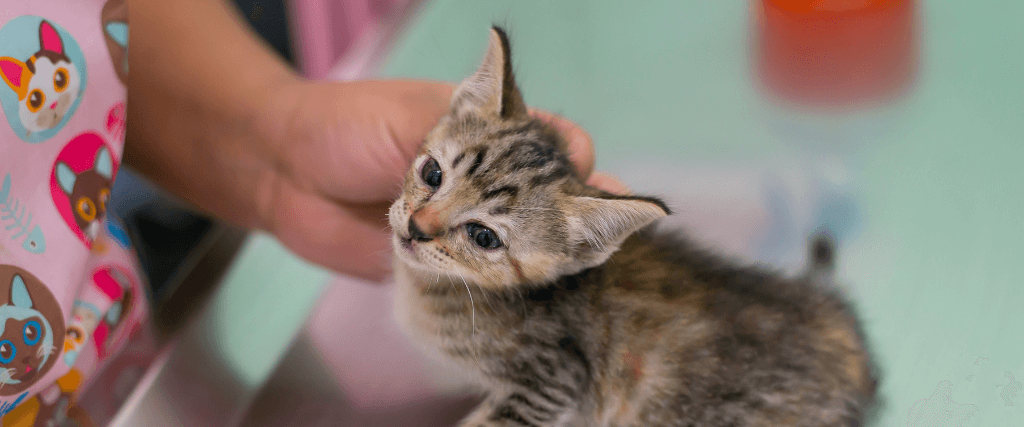
As veterinarians, we know there are more delightful topics to discuss than cat deworming, yet nipping this potentially dangerous condition in the bud is our top priority. When our team mentions deworming, the “worms” they are specifically referring to are intestinal parasites. This is not to be confused with feline heartworms, which is a whole other can of worms. The most common worms that your cat can get are hookworms, roundworms, and tapeworms. The distinction between them is probably not that important to pet owners compared to the “yuck factor” and the need to get rid of them, like yesterday! It is essential to know where your cat is at risk for picking them up so that you understand what needs to be done to prevent your pet from getting them.
What are the Main Differences and How are Worms Contracted?
Tapeworms, hookworms, and roundworms are similar that they are intestinal parasite but they all have unique differences in how the look, what symptoms they cause and how they are transmitted and contracted.
Tapeworms
Tapeworms are flat, segmented parasites that live in the intestines of animals. They are often transmitted by ingesting fleas carrying tapeworm larvae. Symptoms that are associated with pets that have tapeworms are, scotting or dragging of the rear end. Visible segments in feces or around the anus. Weight loss can also be a symptom even despite the pet still having a normal appetite. For treating a patient with tapeworms, the veterinarian can use an oral or an injectable deworming medication. To help prevent tapeworms, it is best to keep your cat up to date on their flea and tick preventatives and limit them from hunting or scavenging.
Roundworms
Roundworms are long, white, spaghetti-like worms that live in the intestines. They can be transmitted by ingesting eggs from contaminated soil or feces, or through a mother's milk in puppies and kittens. Common symptoms can include, a pot-bellied appearance, diarrhea, vomiting, weight loss, visible worms in feces or vomit. Our team of veterinarians, will use an oral deworming medication to help treat roundworms. It is important to maintain a clean living environment, free from rodents, not allowing your cat to consume feces or hunt for rodents. As always keeping your cat up to date on a monthly parasite preventative is key to help fight roundworms and other parasites!
Hookworms
Hookworms are small, thin worms that attach themselves to the intestinal lining and feed on blood from their host. In many cases, Hookworms are transmitted through the ingestion of larvae from contaminated soil or feces or by larvae who penetrate the skin. The main symptoms to look out for are Anemia, pale gums, weakness, diarrhea (sometimes bloody) and weight loss. Treatment consists of an oral deworming medication. To help prevent hookworms, it is important to maintain a clean living environment, and not allowing your cat to consume feces or soil.
When should my cat be dewormed?
Kittens need to be dewormed at two, four, six, and eight weeks. All cats and kittens that are old enough should take year-round monthly heartworm and flea preventative that also treats and controls hookworms and roundworms.
How do I know if my cat has worms?
In most cases, you will not know your cat has worms unless you see them, which is not often the case. Your cat's routine fecal screening can detect intestinal worms and eggs.
How is my cat dewormed?
After your veterinarian has identified and diagnosed your cat with worms, they will have a proper treatment plan according to the type of worms your cat has been diagnosed with. Your cat will be prescribed a deworming medication that might be a small pill, liquid, injection, or topical medicine to be administered.
Why is Cat Deworming Important?
Just the thought of your cat having worms is gross and disconcerting. No one wants their cuddly fur-baby - that sleeps where they sleep - to have worms. Most importantly, deworming your cat is important because of the negative health impact an infestation can have on your cat. Having worms can vary from just being annoying to life-threatening. Kittens and cats that are medically compromised or fragile with age are vulnerable to health issues from worms. They can get anemia or become severely dehydrated from vomiting and diarrhea. Kittens can have so many worms that they can not pass them through the GI tract, which can cause an intestinal blockage, a fatal condition. Infected kittens that are not dewormed can also have their growth and development negatively impacted. Healthy adult cats rarely have significant health issues from having worms, but they are at risk enough to say they need to be dewormed.
Can I get worms from my cat?
Yes. Even though it is rare if you practice basic hygiene (mainly handwashing), you can get certain types of worms from your cat. So it is important to protect your cat, your family, and yourself by deworming and preventing your cat from getting worms.
How can I prevent my cat from getting worms?
As just mentioned, preventative care is key when it comes to keeping your cats from getting worms.
Some of the ways you can prevent your cat from getting worms are as follows:
- All kittens and all new household additions should be dewormed
- Use monthly heartworm and flea preventative that treats and controls hookworms and roundworms all year long
- Routine wellness and fecal examinations
- Keep your litter box clean
- Keep your cat indoors so that their possible exposure is limited
If you have any further questions about deworming cats or you're ready to get an appointment for your pet, please give us a call!